PRO QUALITY CAR CARE MADE EASY
Join millions of car enthusiasts and professionals globally who trust our cutting-edge.
easy-to-use car care products to protect,restore,and enhance their vehicles.


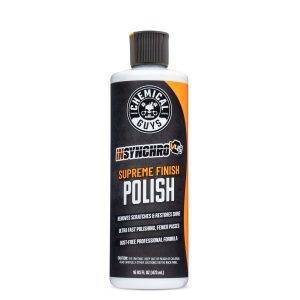
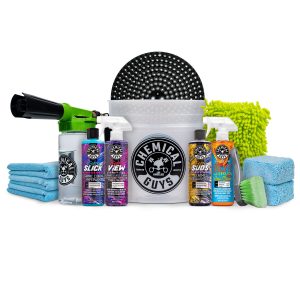
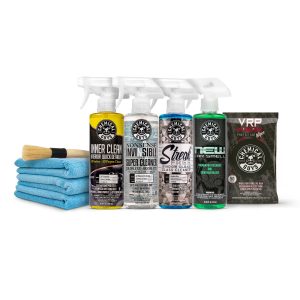
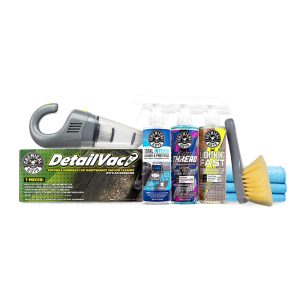
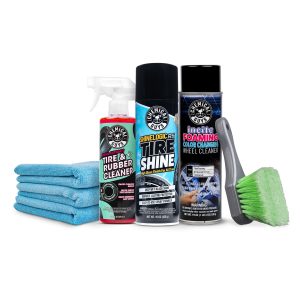
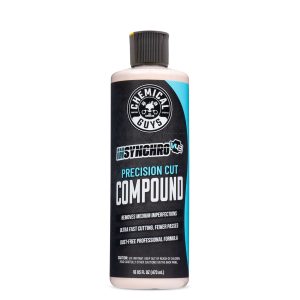
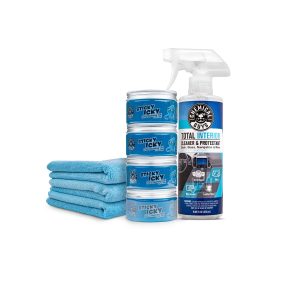
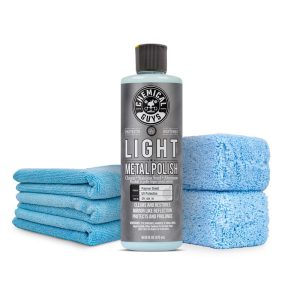
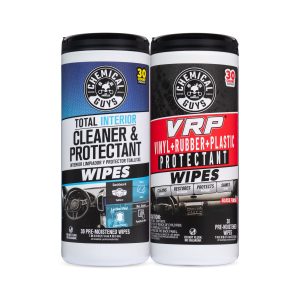
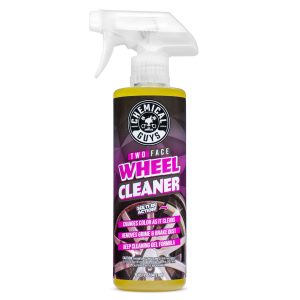
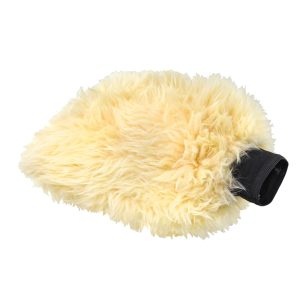
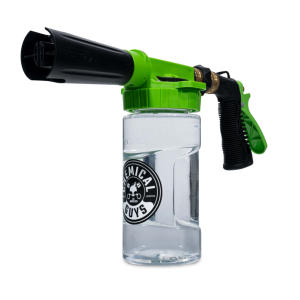
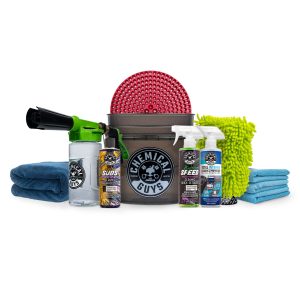
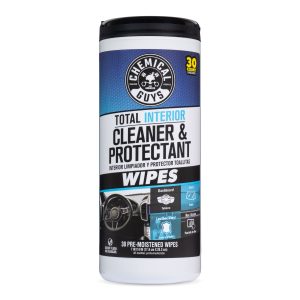
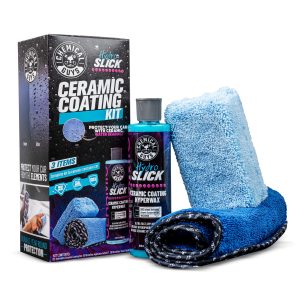
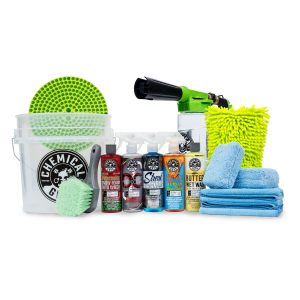


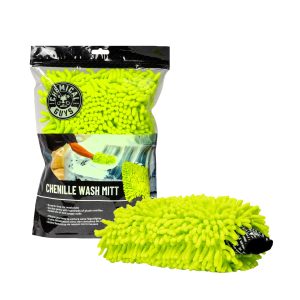
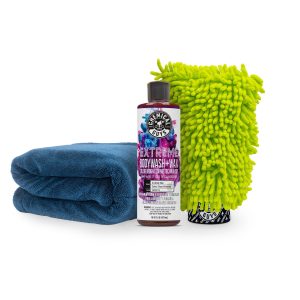


The most advanced automotive care products are only as effective as the techniques and application tools used to deploy them. Proper execution is essential to maximize the chemistry’s potential, ensuring safety for the vehicle’s surfaces and achieving a professional-grade finish. The selection of appropriate equipment, from microfiber textiles to specialized applicators, is an integral part of the detailing process.
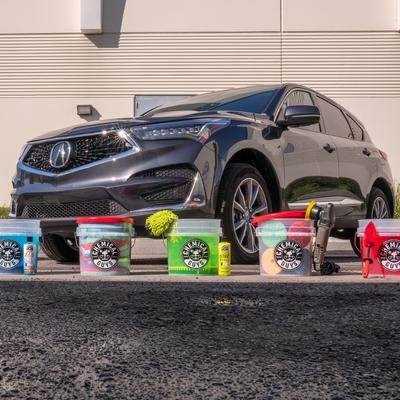
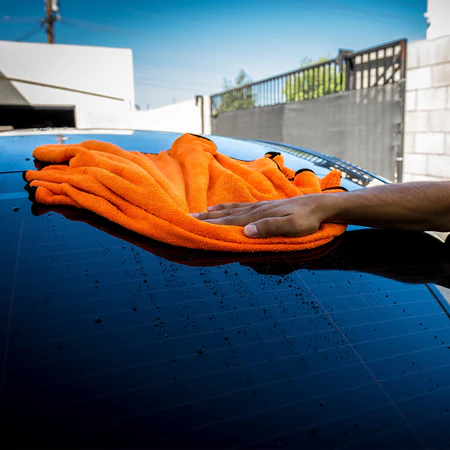
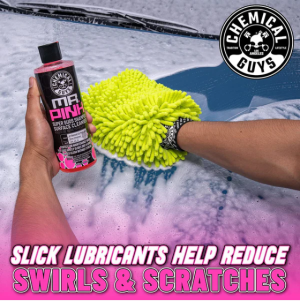
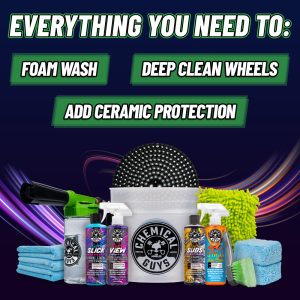
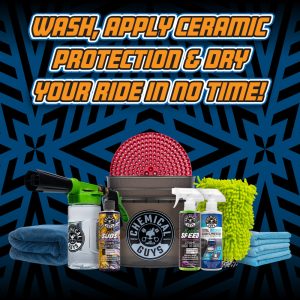
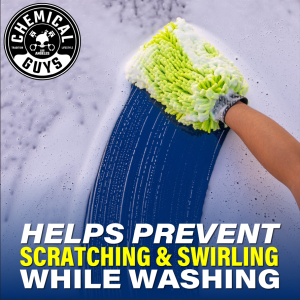
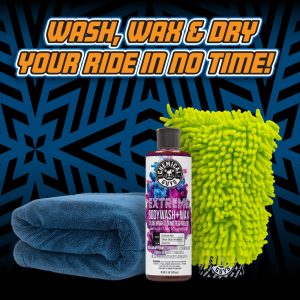
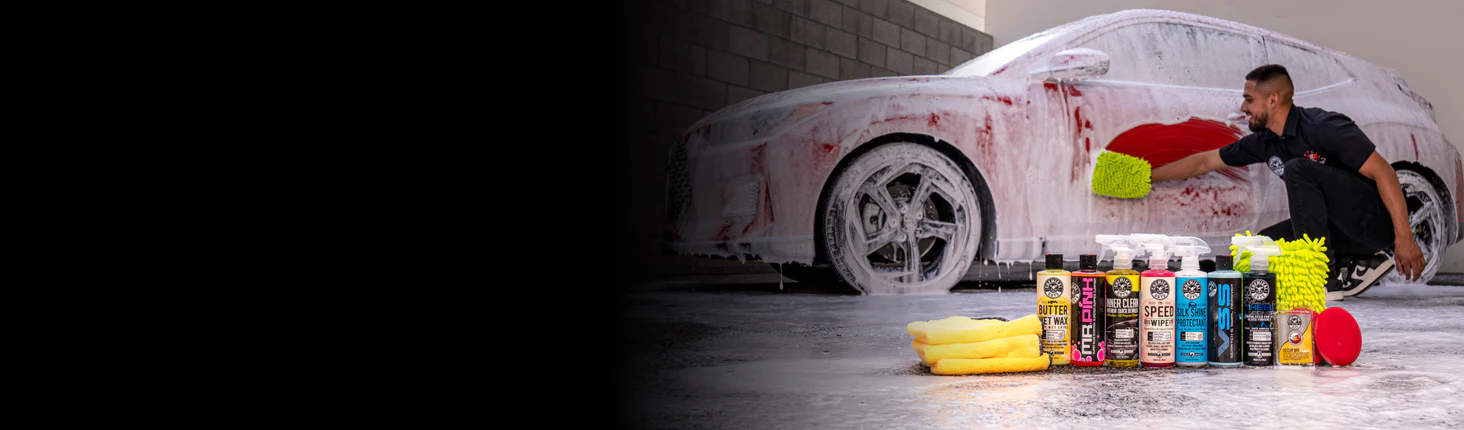
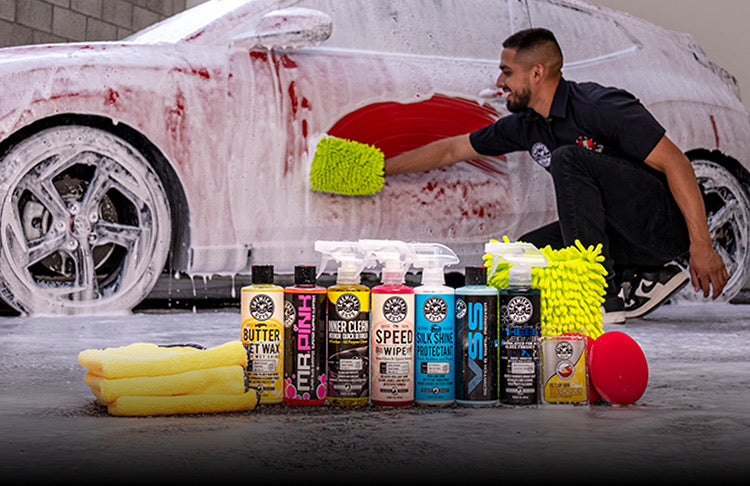
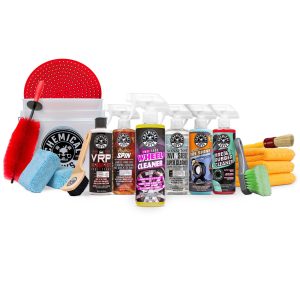
The single most important variable in safe washing is the mitigation of abrasion. Dirt particles, when dragged across the paintwork, are the primary cause of swirl marks and micro-scratches. This is addressed by using high-quality washing media and techniques that isolate the dirt. Premium wash mitts and drying towels are made from specialized synthetic fibers or microfiber blends that are highly absorbent and designed to lift and trap contaminants away from the clear coat. Techniques like the “two-bucket method”—using one bucket for the wash solution and a separate, clean rinse bucket with a grit guard—are employed to minimize the reintroduction of dirt onto the vehicle surface during the wash process, dramatically reducing the risk of scratching.
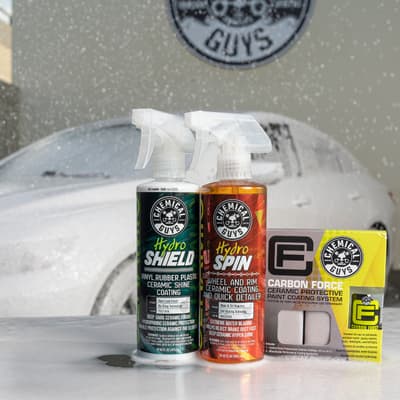
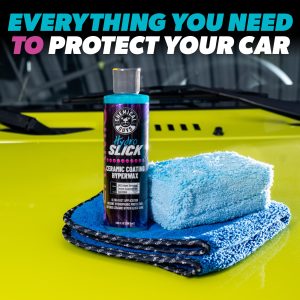
When applying protective coatings, such as waxes or sealants, the choice of applicator directly influences the finished appearance. Foam or microfiber pads are designed to spread the product thinly and evenly, which is crucial for maximizing curing and bonding. Over-application leads to product waste, extended drying times, and the difficulty of removal, resulting in a hazy or streaky finish. The goal is a uniform, almost invisible layer of protection. This precision is especially critical with ceramic-based coatings, which require specialized foam or suede applicators to achieve the microscopic uniformity necessary for the protective layer to cure properly and achieve maximum durability and hydrophobic performance.
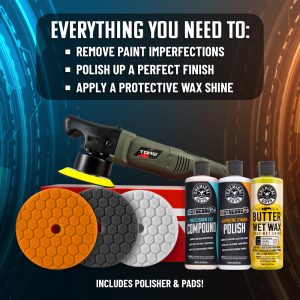
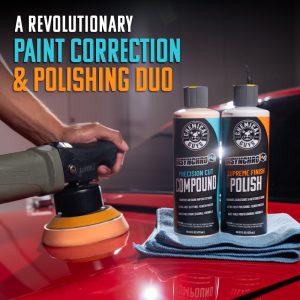
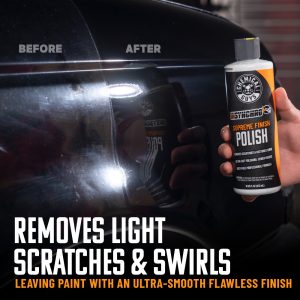
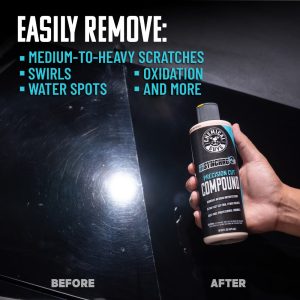
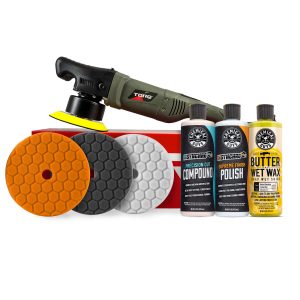
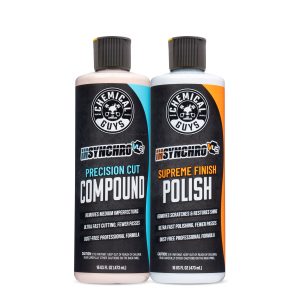
Finally, the critical role of polishing and compounding requires a focus on machine application. These abrasive products, used to correct paint defects like oxidation and deeper scratches, necessitate the use of mechanical buffers or polishers. The interaction between the abrasive compound, the polishing pad material (which can range from foam to natural wool), and the rotation or oscillation speed of the machine determines the amount of material removed and the final level of gloss. This process is highly technical, demanding careful control to refine the surface without overheating or damaging the clear coat. The combination of high-precision chemistry and refined technique transforms the process from simple cleaning into skilled surface refinement, ensuring both the beauty and the preservation of the vehicle’s finish for years to come.